 how-to
How to Prevent Construction Delays: 7 Proven Tactics
Table of Contents
- Why Construction Projects Fall Behind Schedule
- The Most Common Causes of Construction Delays
- Construction Project Management Best Practices to Stay on Track
- How to Handle Construction Schedule Slippage When It Happens
- Construction Contract Delay Clauses That Protect Your Timeline
- Build a Delay-Proof Project From Day One
- Frequently Asked Questions
Last Updated: September 9, 2026
Why Construction Projects Fall Behind Schedule
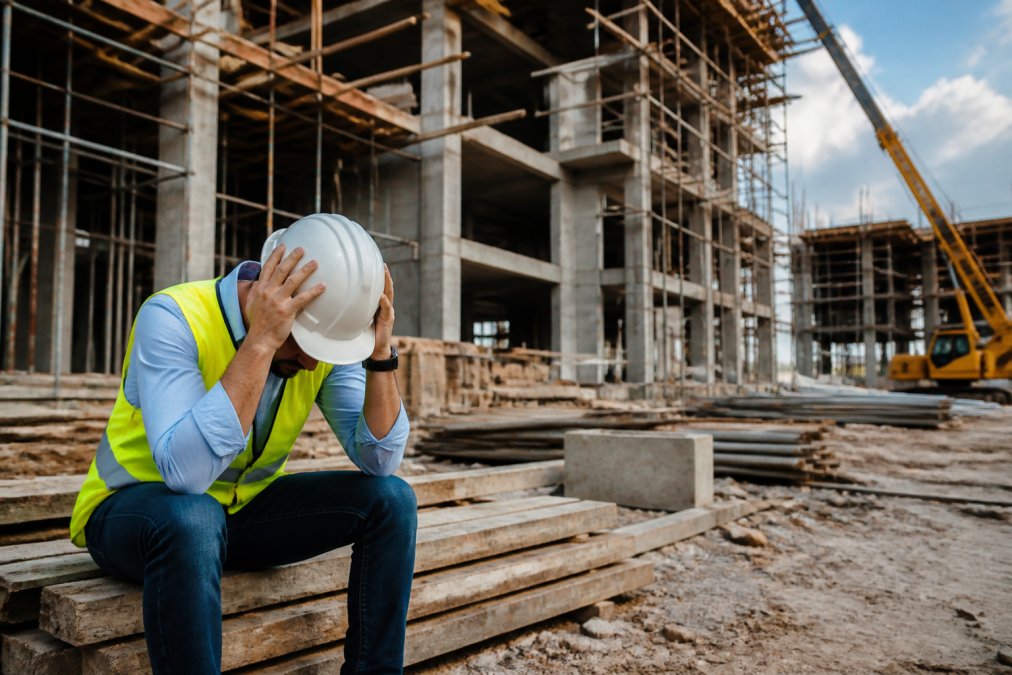
Construction delays are the single largest threat to a project's profitability, yet most schedule slippage is entirely preventable. A delay is any event that pushes the project completion date past the contractual baseline, and it rarely stems from a single dramatic failure (the CDC). More often, it is the cumulative effect of small, avoidable issues that compound over the project lifecycle. At Expert Construction Group, we have found that the answer is almost always the same: a breakdown in coordination, not a lack of effort.
The financial reality is harsh. Every day a commercial project sits unfinished carries carrying costs, extended equipment rentals, and labor inefficiencies that erode margins. For property owners, a delayed tenant improvement means lost rent revenue and disrupted business plans. The good news is that with the right construction project management best practices, most delays can be predicted and neutralized before they impact the critical path.
The Most Common Causes of Construction Delays
Understanding the root causes is the first step in prevention. While every project is unique, most delays fall into a few predictable categories that experienced contractors learn to anticipate.
The leading causes include:
- Poor planning and unrealistic schedules: A baseline that does not account for weather, permit acquisition, or procurement lead times sets the project up for failure from day one.
- Subcontractor mismanagement: When trades are not coordinated properly, mechanical and electrical crews end up working against each other instead of in sequence.
- Material shortages and supply chain issues: Ordering delays and backorders can halt an entire phase of work waiting on a single fixture.
- Change orders and scope creep: Unapproved changes that are not documented immediately create confusion and schedule variance.
- Inadequate communication: When the owner, architect, and general contractor are not aligned, decisions stall and work stops.
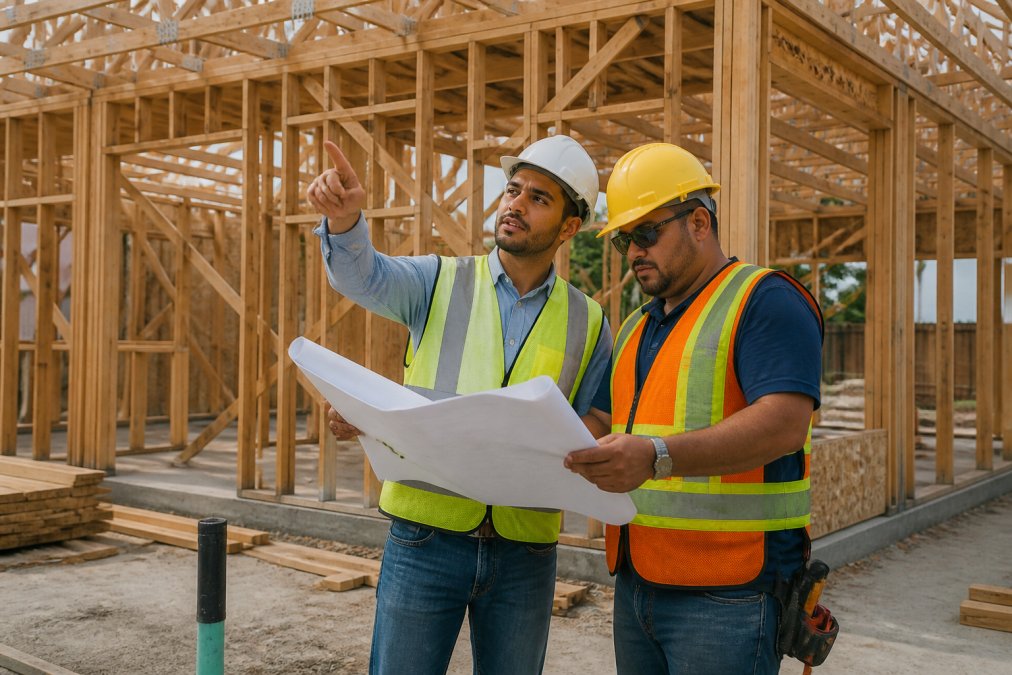
A common mistake is treating these as isolated incidents. In practice, one delay triggers another. A late material delivery pushes the electrical rough-in, which then compresses the drywall schedule, which forces overtime labor costs. This is why a proactive approach to risk mitigation, rather than reactive firefighting, is the only effective strategy.
Construction Project Management Best Practices to Stay on Track
Master the Schedule, Don't Just Track It
A Gantt chart that sits in a cloud drive is not a management tool; it is a static document. Effective schedule management requires a dynamic work breakdown structure that is actively used in daily coordination meetings. The critical path method should govern every decision about resource allocation and sequencing (pmi.org).
The most effective practice is the weekly look-ahead schedule. Each week, the project manager reviews the next three to four weeks of activity in detail, confirming that materials are on site, permits are approved, and subcontractors have the labor available. This proactive review catches problems while there is still buffer time to solve them.
To move beyond basic tracking, implement a pull-planning session at the start of each major phase. Unlike a traditional push schedule where each trade works to its own timeline, pull planning works backward from a milestone. The team identifies what must be complete for the next trade to start, then commits to specific completion dates. This technique, borrowed from lean construction, exposes interdependencies that a standard Gantt chart misses.
Schedule updates must also be tied to earned value management (EVM). Instead of asking, "Are we on time?" ask, "Are we getting the value we planned for the money spent?" EVM compares the budgeted cost of work performed against the actual cost and the planned schedule (apm.org.uk). A project can be on schedule but over budget, or on budget but behind schedule. Tracking both metrics weekly gives you a true picture of project health. Most project management software platforms have EVM reporting built in, but the project manager must review these reports actively.
Create a Communication Plan That Prevents Stalls
Most construction disputes are really communication failures. Stakeholder communication must be structured, not incidental. A formal communication plan should define who makes decisions, how quickly they must respond, and what constitutes an approved instruction.
Daily logs and real-time reporting keep the project transparent. When every trade logs what they completed, what they need next, and what is blocking them, the project manager gains the visibility needed to reallocate resources before a stall becomes a delay.
To make communication truly effective, implement a structured decision matrix at the project kickoff. This matrix assigns decision rights for common issues: who can approve a minor field change under $5,000, who signs off on a revised shop drawing, and who has authority to release a hold on a work area. When decision rights are unclear, work stalls while requests bounce between the owner, architect, and contractor. A decision matrix with response-time commitments, for example, the architect must respond to a submittal within 48 hours or the contractor may proceed, keeps the project moving.
Additionally, standardize your daily huddle format. The huddle should not be a status report; it should be a constraint-removal session. Each foreman answers three questions: What did you complete yesterday? What are you doing today? What is blocking you from starting or finishing? The project manager's job is to remove those blockers before the end of the day. The blocker-focused huddle ensures that no issue survives more than 24 hours without a resolution path.
Finally, use dashboard reporting for the owner and key stakeholders. A weekly one-page dashboard that shows schedule variance, critical path status, open RFIs, and pending change orders keeps everyone aligned without requiring a meeting. The dashboard should highlight exceptions, not routine progress, so that attention goes where it is needed most.
How to Handle Construction Schedule Slippage When It Happens
Even with the best planning, slippage happens. The difference between a minor setback and a disaster is how quickly the team responds. A structured recovery process can protect the project baseline.
Step 1: Identify the Root Cause Immediately
When a milestone is missed, resist the urge to assign blame. Instead, conduct a rapid root cause analysis. Was it a labor productivity issue? A material shortage that procurement missed? A change order that was not priced for time impact? Document the cause in writing and determine whether it is a contractor accountability issue or a force majeure event.
Step 2: Re-Sequence the Work and Reallocate Resources
Once the cause is known, the recovery plan begins. Look for work that can be pulled forward. Can the painting crew start in the completed wing while the electrical work finishes in another? Can site logistics be adjusted to allow two trades to work concurrently in different zones? Re-sequencing often requires overtime or additional crews, but protecting the overall project milestones is usually worth the cost.
Step 3: Update the Baseline and Communicate the New Date
A schedule that is not updated is worthless. Revise the project baseline immediately, recalculate the critical path, and issue a change order if the delay impacts the contract completion date. Stakeholder communication is critical here. Owners must hear about a delay from the contractor, with a recovery plan in hand, not from a subcontractor on site.
Step 4: Conduct a Formal Post-Delay Analysis to Prevent Recurrence
Most contractors treat a delay as a one-off event: fix it, move on, and hope it does not happen again. This reactive mindset guarantees the same delay will recur on the next project. The most effective firms conduct a structured post-delay analysis, sometimes called a project post-mortem or root cause analysis, within 30 days of the delay event, not at the end of the project when memories have faded.
A proper post-delay analysis follows a five-why framework. Start with the delay event and ask "why" five times to drill past the surface cause to the systemic issue. For example:
- Delay event: The electrical rough-in finished three days late.
- Why? The electrician did not have enough crew on site.
- Why? The subcontractor's labor allocation was based on an outdated schedule.
- Why? The schedule was not updated after the owner changed the fixture schedule.
- Why? The change order process did not trigger a schedule review.
- Why? The project management system does not link change orders to schedule updates automatically.
The systemic cause is not "the electrician was slow", it is a broken process that failed to connect change orders to schedule revisions. Fixing that process prevents the same delay on the next project, regardless of which subcontractor is involved.
After the five-why analysis, document the findings in a lessons-learned register that is reviewed at the start of every new project. This register should include three columns: the delay event, the systemic cause, and the preventive action. For example, if the analysis reveals that long-lead materials were ordered too late, the preventive action might be a procurement checklist that requires ordering switchgear or custom millwork within 14 days of contract execution.
Finally, schedule a post-delay review meeting with the project team, including key subcontractors. This meeting is not about blame; it is about process improvement. Each participant should leave with one action item they will implement on the next project. The project manager should track these action items to completion.
By institutionalizing the lessons from each delay, you build a system that gets smarter with every project.
Construction Contract Delay Clauses That Protect Your Timeline
The contract is your first line of defense against delays, yet most owners sign standard forms without understanding the protections available. Key construction contract delay clauses include liquidated damages provisions, which set a daily rate the contractor pays if the project finishes late.
Change order management is the other critical contractual element. The contract should require that any change in scope be documented in writing with an approved time impact before work proceeds. This prevents the common problem of verbal instructions that lead to disputes and schedule slippage later.
Build a Delay-Proof Project From Day One
The most effective way to handle construction schedule slippage is to structure the project so it rarely occurs. This begins with realistic procurement lead times baked into the schedule and a contingency plan for critical materials. Supply chain resilience is no longer optional; ordering long-lead items like switchgear or custom millwork at contract signing is essential.
Selecting the right delivery partner is the final, decisive factor. A general contractor who self-performs site work and maintains direct control over crews eliminates the finger-pointing that stalls traditional projects. When one entity is accountable for scheduling, quality, and communication from preconstruction through close-out, the project benefits from consistent management without team hand-offs. At Expert Construction Group, we prevent delays by keeping a single point of accountability on every commercial and residential build.
Schedule risk is manageable. By combining disciplined scheduling, transparent communication, protective contracts, and an operator-led contractor, you can protect your investment and deliver your project on time.
Delays are the enemy of every construction budget, but they are not inevitable. The strategies outlined here, from mastering the critical path to securing the right contract clauses, give you a framework for keeping your project on track. For property owners and developers who want a partner that treats the schedule as a promise, Expert Construction Group offers operator-led project management with self-performed crews and a single point of accountability from the first permit to final walk-through. Get started with Expert Construction Group and keep your next build on schedule.
Frequently Asked Questions
What is the difference between excusable and non-excusable construction delays?
An excusable delay is caused by events outside the contractor's control, like severe weather, labor strikes, or a documented force majeure event. These typically grant a time extension but not additional money. A non-excusable delay is caused by the contractor or its subcontractors, such as poor scheduling or a failure to coordinate trades. For these, the contractor is liable for damages and may face penalties like liquidated damages outlined in the contract.
How can effective communication prevent construction project delays?
Poor communication is a leading cause of schedule slippage. A structured communication plan ensures the GC, owner, and subcontractors are aligned. This includes weekly progress meetings with a written agenda, daily field reports documenting work completed and issues encountered, and a clear process for submitting and approving change orders. When everyone has real-time access to the project schedule and knows who makes decisions, small problems get resolved before they become costly delays.
What role does preconstruction planning play in avoiding construction delays?
Preconstruction planning is the most effective tool for preventing delays. It involves a detailed review of the design to catch conflicts before they reach the field, creating a realistic project schedule with buffer time for procurement, identifying long-lead materials early, and vetting subcontractors for capacity. This phase also establishes the project baseline and a risk mitigation plan. A general contractor that invests in thorough preconstruction prevents the majority of issues that cause delays later.